Selling baked goods at a farmers market: from cottage kitchen to sold-out table
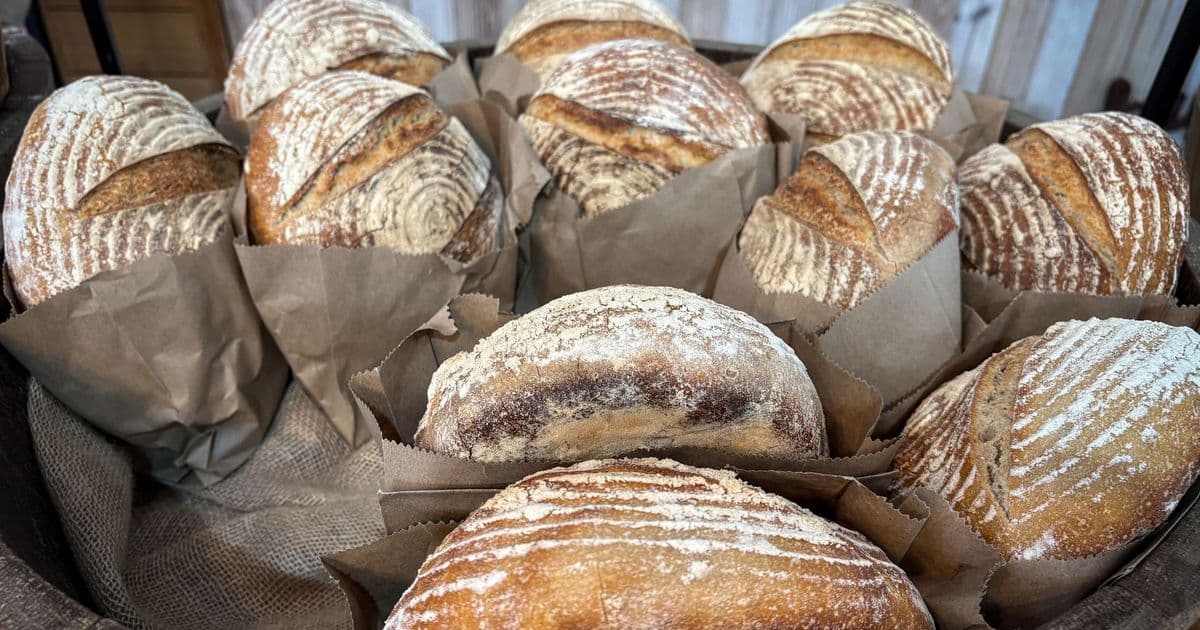
Baked goods are the classic market starter, for good reason
Cookies, breads, muffins, and bars are where a huge number of market businesses begin, and it's not an accident. They smell incredible, they're an easy impulse buy, and most of them are exactly the kind of shelf-stable food a home baker is allowed to make and sell from a home kitchen. If you've been weighing what to sell, baked goods check a lot of boxes at once.
This guide is the baker's version of the starter path. Read "How to start selling at a farmers market" for the overview, then use this for the specifics that only apply to bakes.
Check what your cottage food law allows
Before you plan a menu, confirm the rules. Most states let you bake and sell shelf-stable items, breads, cookies, muffins, and similar, from your home kitchen under a cottage food law, without a commercial kitchen. The catch is anything that needs refrigeration: cream-filled pastries, cheesecakes, custard pies, and many frostings often fall outside what cottage food allows.
What qualifies varies by state and sometimes county, so check your state's rules before you settle a menu, and see our cottage food law guide, "Cottage food laws 101," for how to find them. Build your lineup from what's clearly allowed, not what you hope is.
Choose bakes that travel and sell
The best market bake survives a bumpy car ride, sits out at room temperature all morning, and still looks great at noon. Sturdy items like cookies, brownies, quick breads, scones, and biscotti travel beautifully. Delicate, soft, or fragile items can arrive looking sad, and looks sell.
Lean toward grab-and-go formats and a tight menu you can make consistently. A few things done excellently beats a sprawling case of mediocre ones, and a short list is far easier to bake, price, and restock. "What to sell at a farmers market" has a fuller framework if you're still choosing.
Package for freshness and grab-and-go
Packaging does double duty: it keeps your bakes fresh and it makes them easy to buy. Individually wrapped cookies and bars move fast as impulse purchases, while breads do well in a simple bag or sleeve that shows off the crust. Clear packaging lets the product sell itself.
Every package also needs a proper label. Baked goods sold under cottage food rules generally require your business name, ingredients, allergens, net weight, and often a home-kitchen statement. "How to label homemade food for sale" walks through exactly what goes on it, since allergens in particular are not optional.
Price for the time baking really takes
Baking is labor, and that labor is the cost first-timers forget. Add up ingredients, packaging and labels, your share of the booth fee, and the hours you actually spend mixing, baking, and wrapping. If your time isn't in the price, you're paying to bake.
Then price with real margin and round, confident numbers, and use bundles, three cookies for a set price, to lift your average sale and move product before the day ends. "Pricing your products for profit" has the full cost-per-unit method. Underpricing fresh bakes out of nervousness is the most common way to bake all week and make nothing.
Display warm, full, and irresistible
A heaped, abundant table of baked goods is hard to walk past, and a thin, picked-over one reads as leftovers even early in the day. Keep your front display full and restock from backstock under the table, and use height, a riser or tiered stand, so people see your bakes from across the aisle. "Farmers market booth setup" covers building that display in detail.
Keep everything covered and protected from sun, dust, and curious hands until it sells. A glass dome or clear lidded stand keeps bakes both safe and visible.
Samples, smells, and selling out
Few things sell baked goods like a taste and a smell. If your market and local rules allow sampling, pre-portion bite-size pieces with single-use toothpicks so no hands touch the rest, and keep the sample station clean and to one side. Sampling rules are set by your county health department and the market, so confirm both before you bring a knife.
As you sell down through the morning, consolidate onto fewer trays so the table stays full instead of gap-toothed, and let a near sold-out look create its own urgency. Sell out cleanly, note what went first, and bake a little more of the winner next week.
This is educational information, not legal advice. Cottage food rules vary by state and change over time, so always confirm the current requirements with your state Department of Agriculture or Department of Health before selling.
Keep reading
Winter farmers markets: how to keep selling year-round
The vendors who sell through winter keep their regulars, capture the holiday season, and start spring with momentum. How to find cold-month venues, adapt your product line, build a booth for the dark and cold, and plan cash flow across a seasonal year.
6 min readSelling produce at a farmers market: from garden to a booth that sells out
Produce plays by different rules than baked goods or crafts: freshness is the product, and the clock starts at harvest. How to plan your growing around market dates, handle the harvest, build an abundant display, and price without racing to the bottom.
7 min readGet the next guide in your inbox
Practical market-business tips every couple of weeks. No spam, unsubscribe anytime.