Naming and branding your farmers market business
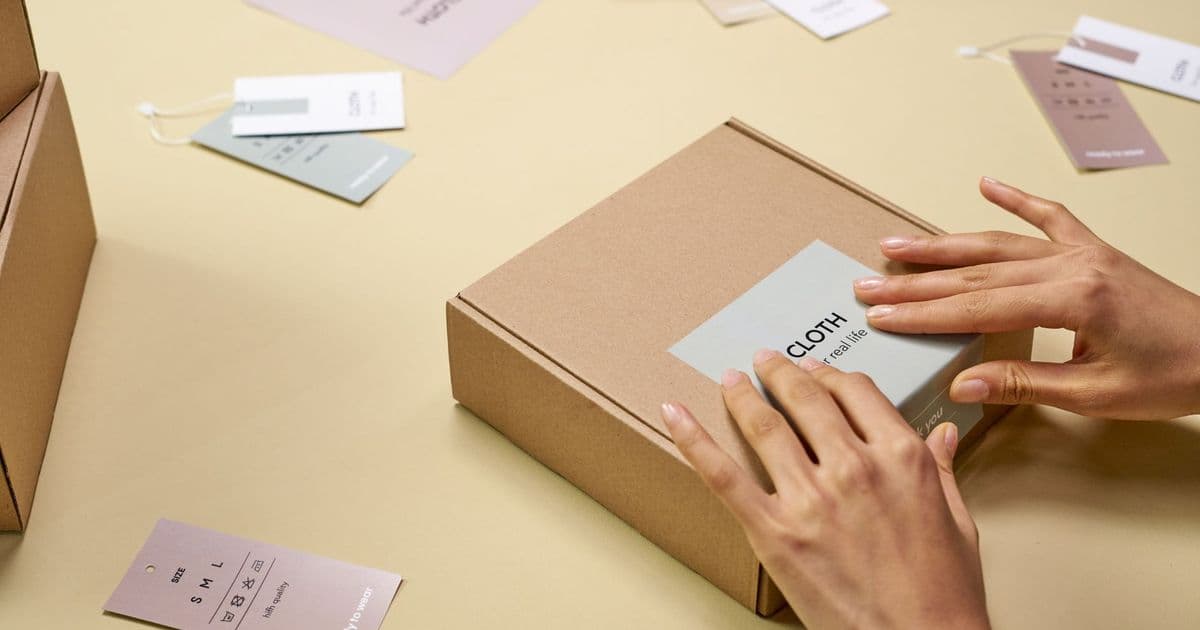
A name people remember does quiet work all season
Branding sounds like a big-company concern, but at a farmers market it's deeply practical. A name people can remember and a look they can spot from down the aisle mean shoppers find you again, tell their friends, and build a habit around your booth. You're not building a logo for its own sake, you're making yourself easy to recognize and recommend.
The good news is that market branding is simple and cheap to get right, and you mostly set it up once. This guide covers the name and the look, and how to keep them consistent everywhere a customer meets you.
What makes a good market business name
A strong market name is easy to say, easy to remember, and hints at what you make or who you are. Short and clear beats clever and confusing, and a name a customer can repeat to a friend without stumbling is worth more than a pun nobody gets. Many makers do well with their own name or a place plus their product, since it feels personal and local, which is exactly what market shoppers come for.
Avoid boxing yourself in too tightly. A name built around a single product can feel wrong later if you expand your lineup, so leave a little room to grow. Say your top few candidates out loud and imagine them on a banner and in a customer's text to a friend.
Check the name is actually available
Before you fall in love with a name, make sure you can use it. Search to see if another local business or food brand already uses it, check whether the matching social media handles and a web domain are free, and look into whether the name is trademarked by someone else. A name that's already taken in your area causes confusion at best and a legal headache at worst.
There's also a registration side. If you sell under any name other than your own legal name, most places require a DBA, also called a fictitious or trade name, covered in "Do you need a license to sell at a farmers market?" Lock the name down before you print a banner you'll have to replace.
Build a look you can repeat
Your visual brand is just a few choices made once and then repeated: a couple of signature colors, a consistent font or lettering style, and a simple logo or wordmark. Repetition is the whole point. When your tablecloth, banner, labels, and bags all share the same colors, a regular spots you before they read a word.
You don't need a designer or a big budget. Pick colors that contrast your product so it pops, keep it clean, and use the same combination everywhere. "Farmers market booth setup" covers turning those choices into a banner and display that carry across the aisle.
Your story is part of the brand
At a market, the maker is the brand. Why you started, where your ingredients come from, the family recipe behind the product, that story is something no grocery shelf can match, and it's a big part of why people choose a handmade local product and pay more for it. Boil yours down to a sentence or two you can say easily and put it on a small sign.
Keep it honest and specific. A real, simple story lands far better than polished marketing language, and it's what turns a one-time taste into a customer who feels like they know you.
Carry the brand across every touchpoint
Branding works through consistency, so use the same name, colors, and story everywhere a customer meets you: your booth banner, your price signs, your product labels, your bags and cards, and your social media profiles. Each touchpoint should feel like the same business, because that repetition is what makes you memorable.
Hand every buyer something that carries the brand home, a card or a labeled bag with your name and where to find you, so the booth keeps selling after the market ends. "How to label homemade food for sale" and "Social media for farmers market vendors" are two more places that brand should show up consistently.
Don't overthink it, just be consistent
You don't need a perfect brand to start, you need a clear one you can repeat. Pick a name you can live with, choose a couple of colors and a simple look, write your one-sentence story, and then apply them the same way every single week. A simple brand used consistently beats a beautiful one used haphazardly, every time. You can always refine the details once you're up and running.
Keep reading
Selling at a farmers market in Texas: the complete starter guide
Learn which legal path works for your product: cottage food or permitted operations. Understand Texas food rules, navigate agency requirements, apply to farmers markets, and launch your first selling season.
6 min readThe regulars machine: an email playbook for market vendors
Social media rents you an audience; email lets you own one. How to capture signups at the booth without being awkward, send a 20-minute weekly email people actually open, turn subscribers into guaranteed preorders, and keep it all legal and kind.
6 min readGet the next guide in your inbox
Practical market-business tips every couple of weeks. No spam, unsubscribe anytime.