Florida cottage food law: what you can sell from home
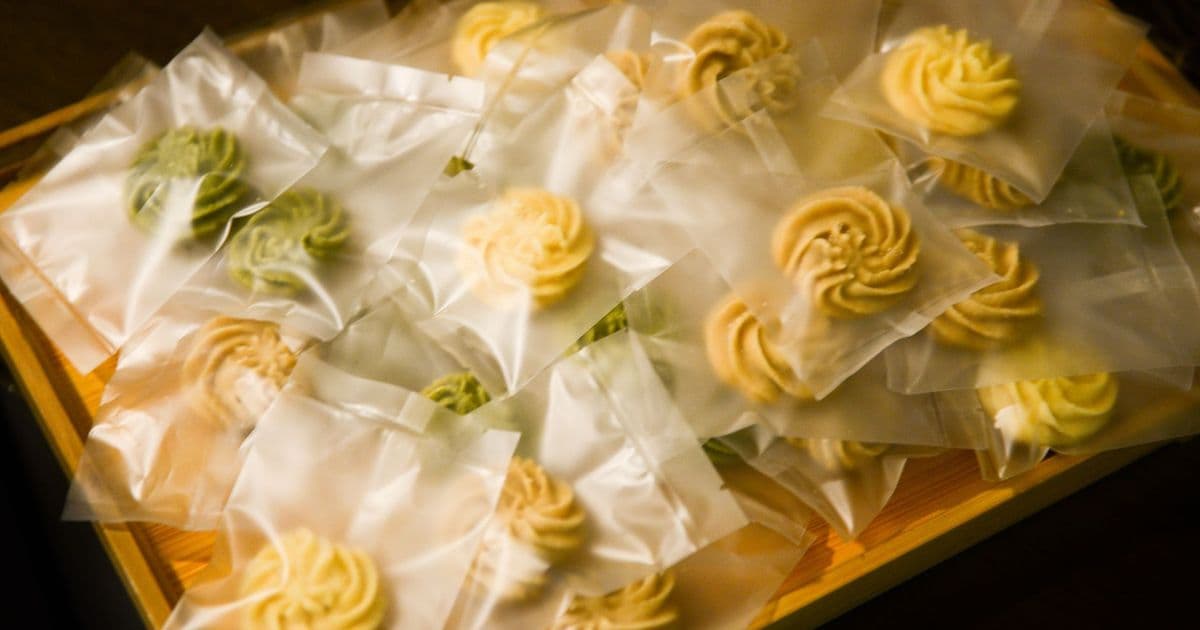
What Florida's cottage food law lets you do
Florida's cottage food law, found in Section 500.80 of the Florida Statutes, lets you make certain non-hazardous foods in your own home kitchen and sell them directly to customers without a state food permit or a kitchen inspection. For a lot of Florida makers, this is the on-ramp that turns a home recipe into a market business. Our national overview, "Cottage food laws 101," explains the general idea, and this guide covers how Florida does it specifically.
The trade-off for that freedom is a set of conditions: only certain foods qualify, you have to label and store products a particular way, you sell directly to the consumer, and your sales have to stay under a limit set in the statute. Meet the conditions and you operate permit-free. Step outside them and you're into permitted-facility territory.
What counts as a cottage food (and what doesn't)
The dividing line is food safety risk. Cottage foods are non-potentially-hazardous items, the shelf-stable kind that don't need refrigeration or time-and-temperature control to stay safe. In practice that's foods like breads and other baked goods, many candies, jams and jellies, dried herbs and seasonings, and similar shelf-stable products.
Foods that need refrigeration to stay safe, like most cream- or meat-filled items, fresh salsas, and anything that has to be kept cold, generally fall outside cottage food and require a permitted facility instead. FDACS maintains the current list of what does and doesn't qualify, so check the FDACS cottage food page before you commit to a recipe, since that list is the authority, not a blog.
You don't need a permit, but there's a sales limit
The headline benefit is that a qualifying cottage food operation is exempt from the usual state food-permit requirement. You don't apply for a permit or get your kitchen inspected to start.
There is one number to watch: the exemption only holds while your annual gross sales of cottage food products stay under a cap written into the statute. Florida has raised that cap more than once over the years, so this is exactly the kind of figure not to memorize from a guide. Look up the current limit in Section 500.80 or on the FDACS cottage food page, and if your sales approach it, plan your move to a permitted operation ahead of time. Cottage food status also does not exempt you from state or federal taxes.
Where and how you can sell, including online
Florida cottage food is direct-to-consumer. You can sell at farmers markets, roadside stands, and similar direct outlets, and notably Florida also allows cottage food operations to sell over the internet or by mail order, with the product delivered in person, to a specific event venue, or shipped within the state. That mail-order allowance is newer, so if you read older guidance saying you can't ship, check the current statute, since it has been updated.
A couple of limits come with that. You generally can't sell cottage foods through restaurants or retail stores for resale, sales are within Florida, and you may only sell products that you store at your cottage food operation's own premises. Confirm the current boundaries with FDACS before you build a sales channel around them.
How to label a Florida cottage food product
Every cottage food product has to be prepackaged and labeled. Florida expects the label to carry the standard elements, the name and address of your cottage food operation, the product name, the ingredients listed in order by weight, the net weight or volume, and allergen information, plus one piece unique to cottage food.
That unique piece is a required disclosure statement, and Florida specifies both the wording and the formatting. The statute requires the statement, printed in at least 10-point type and in a color that contrasts with the label background: "Made in a cottage food operation that is not subject to Florida's food safety regulations." Use that exact wording. Our guide "How to label homemade food for sale" covers building a clean, compliant label around it, and you should confirm the full element list on the FDACS cottage food page, since labeling details can be updated.
Where the rules live, and why to check them yourself
Two sources govern all of this: Section 500.80 of the Florida Statutes for the law itself, and FDACS for the plain-language guidance, the qualifying-foods list, and the current sales cap. Because the legislature periodically updates the cottage food law, the smart habit is to re-check both before each season rather than trusting a figure you saw a year ago.
Once you've confirmed your product qualifies and your label is right, the rest of the path is the universal one. Decide which agency you fall under with "Who regulates your food business in Florida: FDACS, DBPR, and DOH," then price, apply, and set up your booth.
This is educational information, not legal advice. Florida's cottage food law and its sales limit change over time, so always confirm the current rules in Section 500.80 of the Florida Statutes and with FDACS before selling.
Keep reading
Texas cottage food law: what you can sell from home
Senate Bill 541 lets you make and sell food from your home kitchen in Texas. Learn what foods you can make, how to label them, where to sell, and what registration you need.
6 min readCottage food laws 101: what you can sell from home, where, and with what paperwork
A plain-English guide to cottage food laws: what they let you make in a home kitchen and sell, the foods that usually qualify and the ones that never do, the six rules that change at every state line, what goes on the label, what a cottage food law does not exempt you from, and how to find your own state's page in ten minutes.
11 min readGet the next guide in your inbox
Practical market-business tips every couple of weeks. No spam, unsubscribe anytime.