Selling eggs at a farmers market: the rules first-timers miss
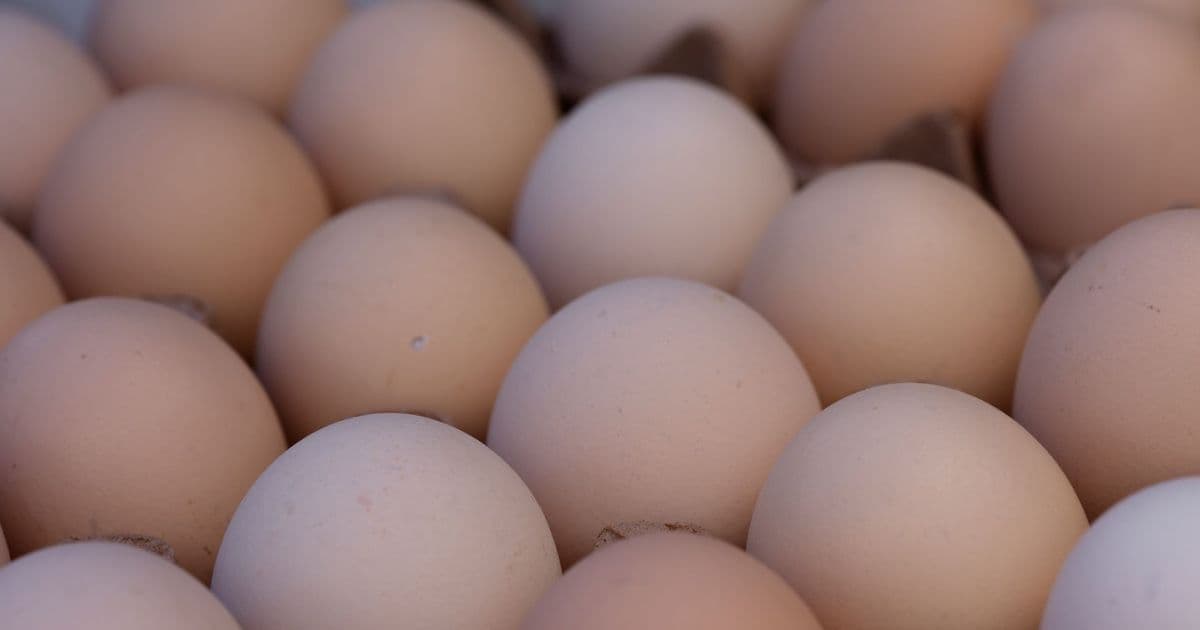
Eggs are popular, and more regulated than they look
Fresh local eggs sell fast at a market, but they sit in a more regulated category than most beginners expect. Because eggs are a higher-risk food, states pay close attention to how they're handled, labeled, and kept cold, and the rules genuinely vary from one state to the next. None of it is hard once you know the pieces, but it's the kind of thing where assuming costs you, so confirm before you bring a single carton.
This guide is a plain-English map of what to check. It pairs with "Do you need a license to sell at a farmers market?" for the wider permit picture and "How to label homemade food for sale" for the labeling basics.
Start with your state's egg rules
Eggs are usually overseen by your state Department of Agriculture, and many states have egg-specific rules layered on top of general food rules. Some require a license or registration to sell eggs once you pass a certain flock size or sell beyond your own farm, and the thresholds and requirements differ widely. This is not an area to guess at.
Search for "[your state] egg sales rules" or "[your state] egg license," find the official Department of Agriculture page, and read it before you commit. If anything is unclear, call them, since an inspector would rather explain the rules than catch you breaking them.
Cleaning, candling, and grading
Most egg rules cover how eggs must be handled before sale. That commonly includes cleaning eggs properly, candling them, holding an egg to a light to check for cracks and interior defects, and removing any that don't pass. Many states also set rules around grading and sizing, or limit how you can describe your eggs if you haven't officially graded them.
The specifics, including whether and how you may use grade and size terms, are set by your state, so follow their exact process. Clean, sound, honestly described eggs are both the legal requirement and what keeps your customers safe and loyal.
Cartons and labeling
Egg cartons carry their own labeling expectations on top of normal food labels. States commonly want information like your farm or business name and address, a pack or lockdown date, handling and refrigeration instructions, and sometimes grade and size, displayed in a specific way. Reusing cartons is restricted in many places, and where it's allowed you typically have to remove or cover any previous brand's information.
Confirm exactly what your state requires on the carton, since egg labeling rules are often more specific than general cottage food labeling. "How to label homemade food for sale" covers the general label-building approach you'll adapt here.
Keep them cold, start to finish
Temperature is the rule beginners most often underestimate. Many states require eggs to be kept refrigerated at or below a set temperature from storage through transport to the booth, and that means a real cold chain, not just a cooler you opened at dawn. Plan for refrigeration at home, insulated transport with ice packs, and a cooler or cold display at the market that holds temperature through a hot morning.
Bring a thermometer and actually check it. Keeping eggs reliably cold is both a legal requirement in many places and the difference between a product people trust and one that makes someone sick.
Flock size can change the rules
A quiet but important factor is how many birds you have and how much you sell. Many states scale their requirements, so a small backyard flock selling a few dozen may face lighter rules than a larger operation, with licensing, inspection, or grading kicking in above certain thresholds. The line and what changes at it are state-specific.
Find out where your state draws that line and which side of it you're on, because crossing a threshold can add requirements you didn't have before. Knowing this ahead of time keeps growth from accidentally putting you out of compliance.
Where to confirm before you sell
Before your first market, line up your sources of truth: your state Department of Agriculture for egg licensing, handling, grading, labeling, and temperature rules, your market manager for what the market itself allows and requires, and your state Department of Revenue for whether egg sales are taxable where you are. A few calls now save a citation later.
Then handle the general layers every vendor faces, business registration, a sales tax permit, the market's application and insurance, all covered in "Do you need a license to sell at a farmers market?" Get the egg-specific rules right on top of those basics, and you can sell with confidence.
This is educational information, not legal advice. Egg rules vary significantly by state, so always confirm with your state Department of Agriculture and local authorities before selling.
Keep reading
Selling honey at a farmers market: labeling, claims, and hive rules
Honey sells itself, but its label is closely governed. What you may legally call your honey, when you can name a floral source, the claims that get vendors in trouble, hive registration, and where to confirm your state's rules.
6 min readSelling soap and candles at a farmers market: the rules are not what you think
Soap and candles are not cottage foods, and they are not regulated like food. The FDA test that decides whether your soap is soap or a cosmetic, the claims that turn it into a drug, what governs candles, and how to label both.
6 min readGet the next guide in your inbox
Practical market-business tips every couple of weeks. No spam, unsubscribe anytime.